Rust-Resistant Soil Moisture Sensor: How to Choose the Right Sensor
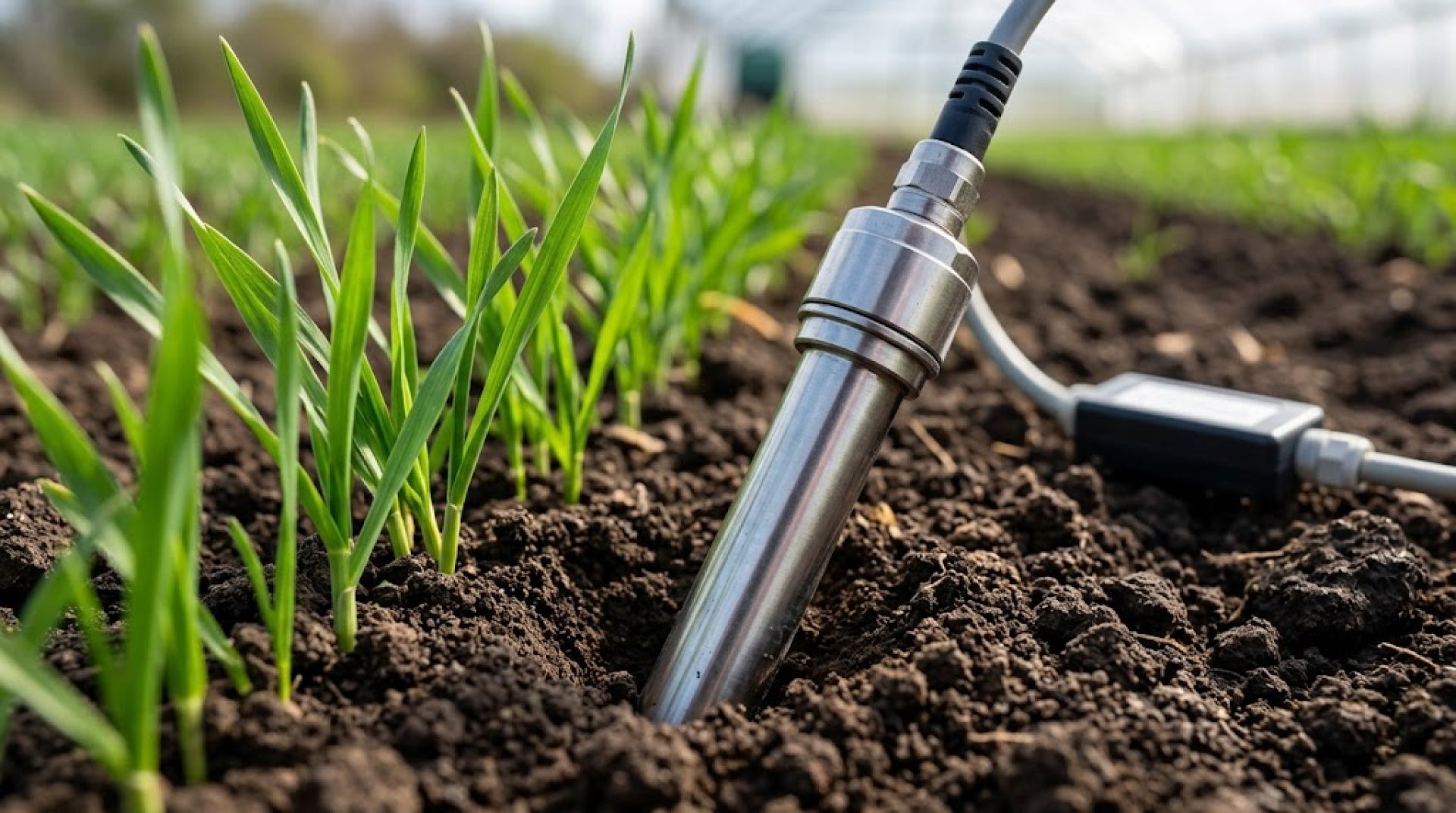
In modern Smart Farming, automated irrigation systems and farm management networks rely heavily on accurate environmental data. The core component for precise water management and automated fertigation is choosing a high-standard Rust-Resistant Soil Moisture Sensor designed specifically for agricultural durability.
Agricultural environments are frequently exposed to high humidity, shifting soil pH levels, and chemical fertilizer residuesall of which accelerate chemical reactions and rapidly destroy standard sensors. Selecting the appropriate sensor type, robust probe materials, and correct installation methods prevents equipment failure and significantly extends your smart farm's operational lifespan.
Comparing Rust-Resistant Soil Moisture Sensor Types: Resistive, Capacitive, and TDR
Understanding how different sensor technologies operate helps prevent corrosion issues and unexpected equipment replacement before making a purchase:
- Resistive Sensors: Utilize exposed metal prongs inserted directly into the soil. While extremely cheap, they corrode and fail within weeks due to electrolysis caused by direct electrical current passing through bare metal.
- Capacitive Sensors: The top choice for modern smart agriculture. Their circuit boards feature thick waterproof resin encapsulation, eliminating direct electrical contact with soil. By measuring dielectric permittivity, they resist rust and operate reliably for years.
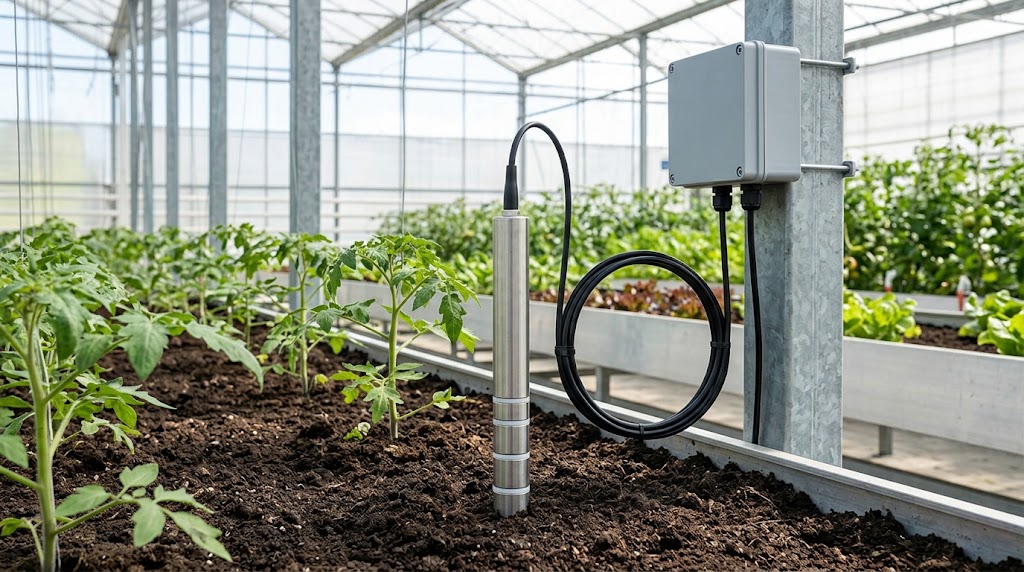
- TDR / FDR Sensors: Industrial-grade sensors crafted from high-grade stainless steel. They deliver superior accuracy and maximum corrosion resistance, making them ideal for large-scale agricultural operations and professional research projects.
Combating Chemical Corrosion from Fertilizers and Soil Minerals
Beyond natural soil moisture, modern farming practices often involve fertigation (applying fertilizers through irrigation systems) using urea, ammonium sulfate, or nutrient solutions with high acidity. These transform soil water into a highly active electrolytic solution that accelerates corrosion.
Using low-grade or bare-metal sensors leads to rapid mineral degradation and inaccurate data readings. Installing a proper Rust-Resistant Soil Moisture Sensor featuring thick resin encapsulation or stainless steel probes is the ultimate safeguard for your automated network.
Proper Sensor Placement Relative to Root Zones
Correct physical placement is just as critical as hardware quality to prevent automated irrigation errors:
- Root Depth Alignment (Active Root Zone): Position the sensor precisely within the active root absorption zone of your crops. Shallow-rooted leafy greens require 10-15 cm depth, whereas deep-rooted fruit trees or root crops require 30-50 cm depth.
- Avoiding Air Pockets: Ensure intimate soil-to-probe contact when burying the sensor. Leaving air pockets traps water accumulation, resulting in distorted moisture readings that disrupt automated irrigation triggers.
Microcontroller Sensor Calibration (Dry vs. Wet Mapping)
Raw ADC values vary across individual sensors out of the box, requiring proper calibration via controllers (such as ESP32 or Arduino) for precision:
- Dry Point Calibration: Expose the sensor completely to dry air and record the baseline ADC reading to establish the 0% moisture threshold.
- Wet Point Calibration: Submerge the probe in clean water or fully saturated soil to record the maximum ADC reading for the 100% moisture threshold.
- Value Mapping: Map these high and low raw values into relative soil moisture percentages (%) in your firmware code to accurately automate solenoid valve triggers.
Conclusion: Investing in a reliable Rust-Resistant Soil Moisture Sensor (Capacitive or TDR type), paired with correct root-depth installation and thorough sensor calibration, guarantees precise smart farm automation, eliminates frequent hardware failures, and ensures long-term operational sustainability.
Recommended resources: Explore advanced agricultural innovations at AgritechTH Smart Agriculture Hub and learn how to pair your sensors with high-efficiency Automatic Solenoid Valves for optimal water management.
Frequently Asked Questions about Rust-Resistant Soil Moisture Sensors (FAQ)
Q: Why do standard soil moisture sensors corrode and fail quickly?
A: Standard sensors allow direct electrical current to pass through exposed metal prongs into moist, mineral-rich soil, triggering rapid electrolysis and chemical corrosion from fertilizers. Utilizing a Rust-Resistant Soil Moisture Sensor with resin-coated capacitive technology completely eliminates this issue.
Q: How many sensors should be installed in a farming zone?
A: It depends on the zone size and soil variability. Typically, installing 2 to 3 sensors at different root depths per irrigation zone provides reliable averaged data for automated valve controls.