Bypass valve for automated irrigation
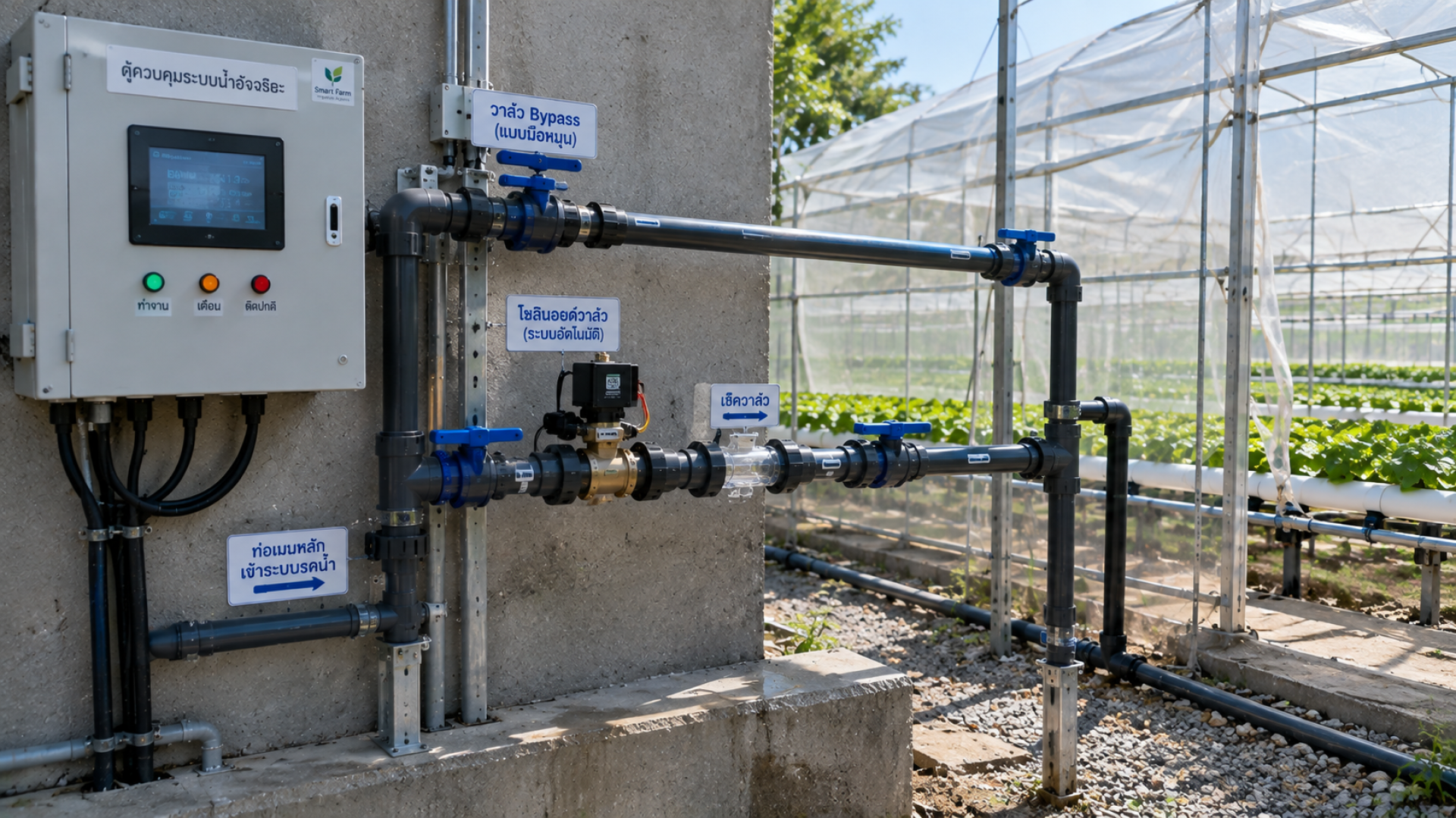
In smart agricultural systems, installing a reliable Bypass valve for automated irrigation is an essential engineering solution that allows farmers to seamlessly switch to manual mode during unexpected power outages.
This article explores the necessity of backup systems, parallel piping layouts, component selection, and practical testing of a Bypass valve for automated irrigation on-site.
Why Every System Needs a Bypass valve for automated irrigation
While automation saves time, emergencies like power failures or controller crashes can leave fields dry. A proper Bypass valve for automated irrigation serves as an emergency water line, enabling immediate manual watering without waiting for electrical repairs.
Parallel Piping Layout for a Bypass valve for automated irrigation
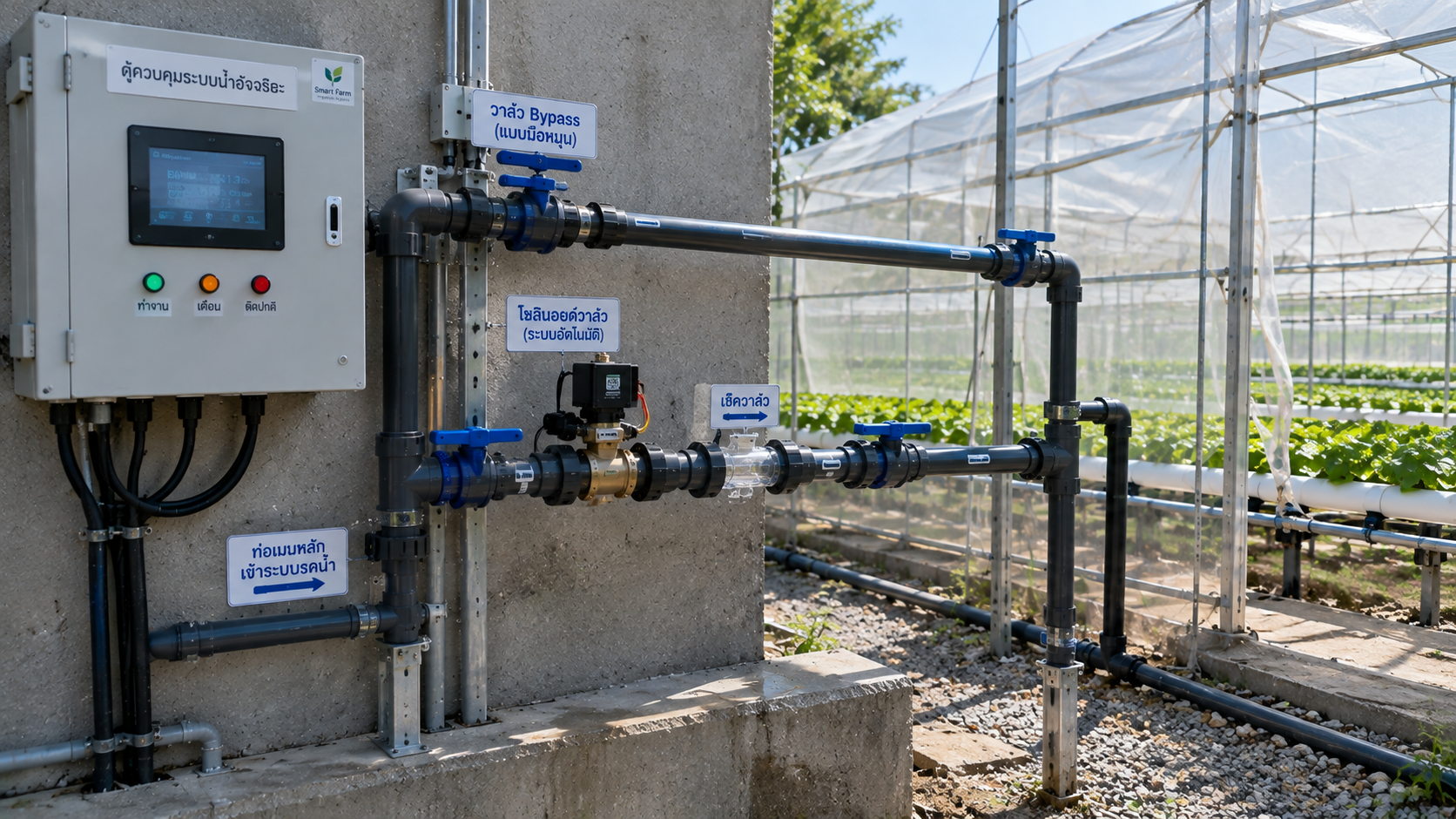
The correct installation principle for a Bypass valve for automated irrigation involves building a parallel pipe network bridging the main solenoid valves. Under normal conditions, the bypass ball valve remains closed while solenoids operate. During emergencies, open the Bypass valve for automated irrigation to restore water flow instantly.
Selecting Check Valves and Pressure Valves for Bypass Lines
An efficient design for a Bypass valve for automated irrigation should incorporate a check valve to prevent backflow into pumps. Adding a pressure reducing valve along the Bypass valve for automated irrigation route protects PE pipes from high-pressure surges.
Practical On-Site Testing for a Bypass valve for automated irrigation
Once the Bypass valve for automated irrigation setup is complete, perform a pressure test by switching to manual flow while inspecting all threaded joints to ensure complete reliability during real-world crises.
Summary: Integrating a Bypass valve for automated irrigation establishes ultimate fail-safe security, guaranteeing continuous hydration for your crops regardless of power disruptions.
Recommended resources: Discover advanced farm technologies at AgritechTH Smart Agriculture Hub and explore our Bypass valve for automated irrigation equipment.
Frequently Asked Questions (FAQ)
Q: What happens during power outages without a Bypass valve for automated irrigation?
A: Operators must manually disconnect pipe fittings, which is cumbersome and time-consuming.
Q: What material is best for a Bypass valve for automated irrigation?
A: High-pressure resistant PVC or brass ball valves are recommended for maximum durability.